

What Is Google Labs Playground? AI Game Creation Explained

2026-10-10
Google Labs Playground uses AI game creation to turn prompts into playable browser games. Here's how Google Playground works, what you can build, and where it stops.

Google Labs Playground is a browser tool that turns a text prompt into a playable game. You describe what you want, and it builds a small game you can play and share without writing a line of code. Google introduced it on October 7, 2026, and it's the clearest sign yet that AI game creation is moving from demo to product.
If you've ever had a game idea and no idea how to build it, Playground is aimed at you. Here's how it works, what you can actually make, and the limits to know before you sink an afternoon into it.
What Google Labs Playground Is
Playground is an experimental gaming platform where you create, play, and share custom games using simple text prompts. Google describes it as a chat-based interface that makes game creation feel like describing an idea to a friend rather than working in an engine.
The pitch is minutes, not weeks. Google says you can create custom games in minutes, with no coding experience required, which is the whole appeal. Traditional game engines demand scripting, asset pipelines, and design knowledge. Playground asks for a sentence about what you want and handles the rest.
It's aimed at two kinds of people. Hobbyists with a notebook full of unused ideas, and anyone curious about what AI can build. The chat interface meets both where they are, so you don't need to learn a tool before you can try it. It's part of Google Labs, which is where Google ships its more experimental ideas, so treat it as a preview of a direction rather than a finished product.
How AI Game Creation Works in Playground
The flow is conversational. You type a description of the game you want, and Playground generates a playable result in the browser. From there you can play it immediately, refine it by describing changes, and share it with others.
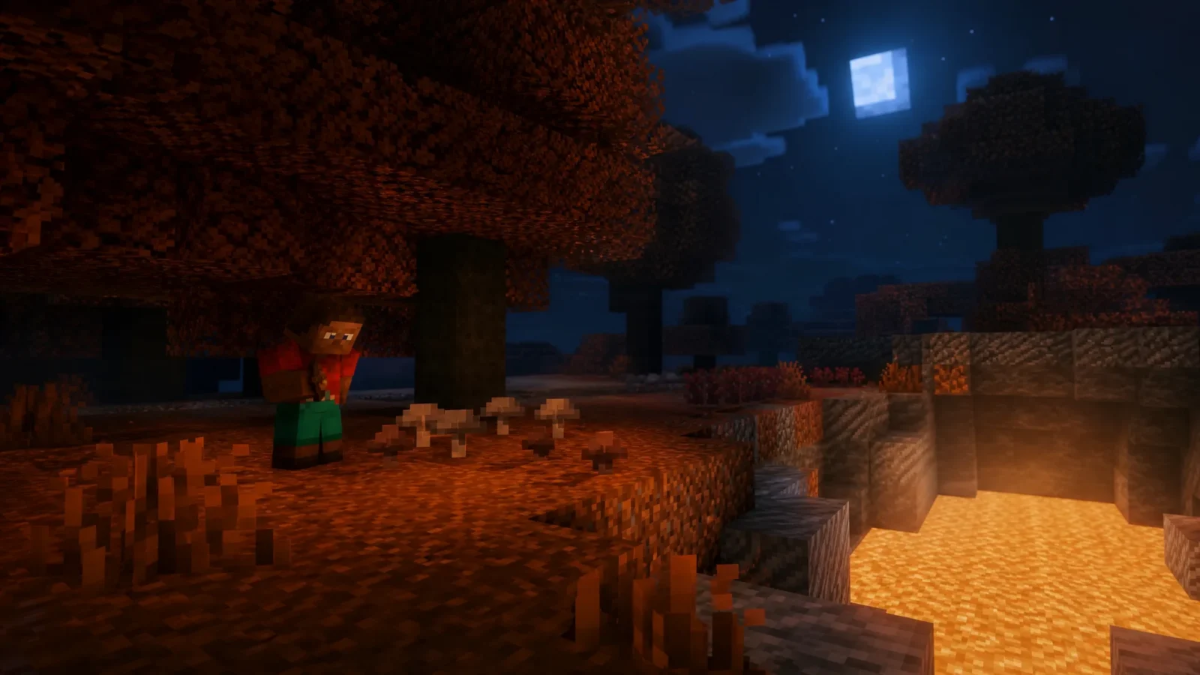
The key word is browser-based. These aren't full 3D titles with money and teams behind them. They're small 2D and 3D games scoped to what AI can build on the fly, which keeps them quick to make and quick to play. That constraint is a feature: you can iterate on an idea in a single sitting instead of committing to a project.
The chat-based refinement matters as much as the initial generation. When an AI builds a game from your prompt, the first result is rarely exactly what you pictured. Being able to say "make the character jump higher" or "add a timer" and watch it update turns Playground from a novelty into something you can actually shape. The iteration loop is the product.
What You Can Build with Google Playground AI
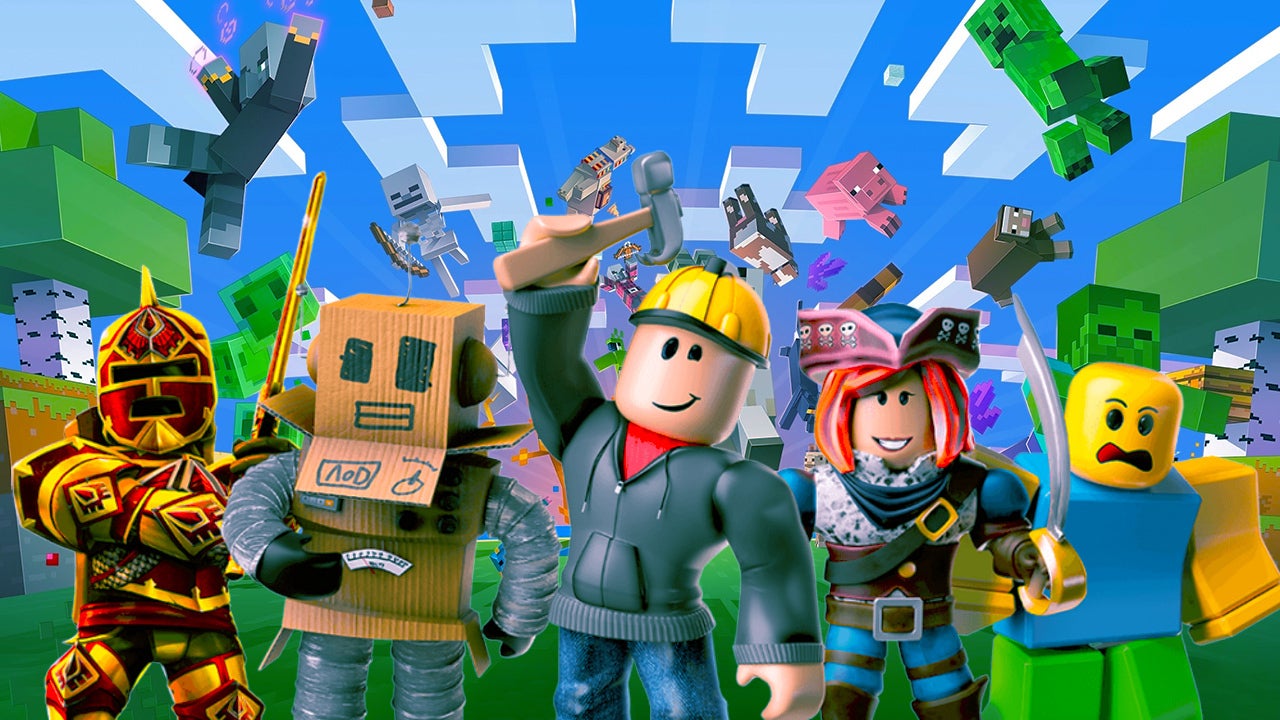
The realistic scope is small games with clear rules. Think simple platformers, arcade-style challenges, puzzle ideas, and browser games where the mechanics fit in one screen. Google's own framing puts the emphasis on custom games you can share, not on recreating commercial titles.
That scope actually helps you. A tight game with one good mechanic is more fun to make and play than an ambitious idea that stalls. If you go in wanting a tiny game with a twist, Playground can deliver something playable fast. If you go in wanting a full-featured title, you'll hit the ceiling quickly.
The sharing side is what turns these from personal experiments into something social. A game you build in minutes is easy to pass around, and Playground's share feature means others can play without installing anything. For teachers, streamers, or anyone who likes making things for a group, that low friction is the draw.
Google Playground vs Traditional Game Engines
The difference is who can start. A traditional engine assumes you'll learn its tools and write code, which filters out most people. Playground assumes you'll describe what you want, which lets almost anyone make something.
| Aspect | Traditional game engine | Google Playground |
|---|---|---|
| Entry requirement | Coding and design skills | A text prompt |
| Time to first result | Days to weeks | Minutes |
| Scope | Full commercial games | Small 2D and 3D games |
| Iteration | Manual edits | Describe changes in chat |
| Sharing | Build and distribute yourself | Share from the browser |
The tradeoff is control and depth. An engine gives you precision over every pixel and frame; Playground gives you speed and accessibility. Neither replaces the other. For a prototype you want to test today, Playground wins on time. For a game you intend to sell, you still need an engine and the skills to use it.
There's also an honesty point. AI game creation tools generate prototypes, not finished products. Expect rough edges, limited mechanics, and games that feel like sketches. That's fine for exploring an idea, and not fine for shipping something you want players to pay for.
Limitations of Google Labs Playground
The first practical limit is access. Playground launched for US adults, so availability depends on where you are and that may widen over time. If you're outside the launch region, you may not be able to try it yet.
The second is complexity. AI can build small games well and bigger ideas poorly, because the more systems a game needs, the more the model has to hold together at once. If your idea needs deep progression, complex physics, or lots of content, Playground will flatten it into something simpler whether you want that or not.
The third is originality and ownership. When a model builds your game, it's drawing on patterns from existing games, so what you get will feel familiar rather than truly novel. Check the terms before you plan to use a Playground creation commercially, and go in treating it as a tool for ideas rather than a shortcut to an original hit.
Why Google Playground AI Matters for Players
Even if you never build anything, Playground changes the supply of games you can play. When creation takes minutes instead of months, the number of tiny, weird, specific games grows fast. Some will be bad, but the floor of what's available rises, and the odd ideas that would never justify a commercial budget get made anyway.
For Android users, the near-term impact is indirect, because Playground runs in the browser and isn't an Android app. But that's exactly why it's worth watching. Browser-based creation tools set the pattern that app-based tools follow, and the AI game creation you see in Playground today is likely to show up inside mobile games and app stores soon. Until then, you can skip any download entirely and just use it in Chrome on your phone.
The bigger shift is who gets to make things. Playground lowers the barrier to game creation from "learn to code" to "describe an idea." That opens the door to a much larger group of creators, and while most results will be small, a few will be genuinely clever. The tools to make those games just got a lot easier to reach.
Is Google Labs Playground Worth Trying?
Yes, if you have an idea you've never been able to build. The chat interface makes it possible to see a concept playable in the same afternoon, and that alone is worth a look. Try it with a small, specific idea rather than a grand vision, and you'll get the most out of what AI game creation can do right now.
Go in with the right expectations. Playground builds small browser games, not the next big title, and the results are prototypes you refine through conversation. If you want to explore, it's a genuinely fun tool. If you want to ship a polished game, it's a starting point, not the finish line. As with any tool that asks you to sign in, check the privacy and permission settings before you share personal details or upload anything sensitive.

Google is a search and discovery app that helps you find answers, content, and information using text, voice, camera, and AI.
 NEWS
NEWS REVIEWS
 HOWTO
HOWTO