

Scan Date:Apr 13, 2026
Show More

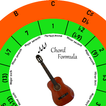
A "Chord Circle" is a musical tool used in music theory. It's a circular diagram that represents the relationships between the twelve keys by arranging them in a circular pattern. A Chord Circle can be helpful in various musical contexts:
1. **Key Changes**: The Chord Circle shows how keys are related to each other. Musicians can easily switch between related keys to vary the harmony in a song or to transpose for different instruments or vocalists.
2. **Chord Progressions**: Musicians can use the Chord Circle to create harmonically interesting chord progressions. By using chords from neighboring keys, they can develop complex and appealing harmonies in their compositions.
3. **Major and Minor**: The Chord Circle illustrates the difference between major and minor keys. This is useful for creating emotional moods in music and shaping the musical atmosphere.
4. **Chord Relationships**: Musicians can read from the Chord Circle which chords are present in a particular key. This helps in selecting chords that complement each other well and facilitate harmonic transitions.
5. **Songwriting**: Songwriters often use the Chord Circle as a source of creative inspiration. Exploring chords and keys on the circle can lead to new ideas for songs.
6. **Music Theory**: The Chord Circle is an essential tool for understanding fundamental music theory concepts, especially regarding keys and chord progressions.
In summary, a Chord Circle helps musicians visualize and apply complex musical concepts. It's a useful tool for both beginners learning music theory and experienced musicians looking to enhance their compositions and arrangements.
Latest Version
2.0.904Uploaded by
مصطفى الطيب
Requires Android
Category
Free Music & Audio AppContent Rating
Everyone
Security Report
Report
Flag as inappropriateLast updated on Apr 13, 2026
Major update! Modernized with Kotlin and Android SDK 36. All libraries updated to latest versions — Firebase, Material Design, AndroidX. Improved performance, stability and security. Make chords with numbers. Pick a tone from the orange circle at position 1 of the green circle. Tones 1-3-5 form a major chord, 1-b3-5 a minor chord, 1-3-5-7 a major seventh. Every chord uses the same numbers for all tones. Circle of fifths included. For smartphone and tablet.




APKPure - A multi-platform app store primarily focused on Android, providing extensive app-related content. Discover the app you want easier, faster, and safer, with quick and efficient downloads and installations.