

ChatGPT Ads Hit $1 Billion Run Rate: What Advertisers Need to Know

2026-09-02
ChatGPT ads hit a $1 billion annualized revenue run rate in under 200 days. Here's how OpenAI's advertising platform works and what advertisers should know.
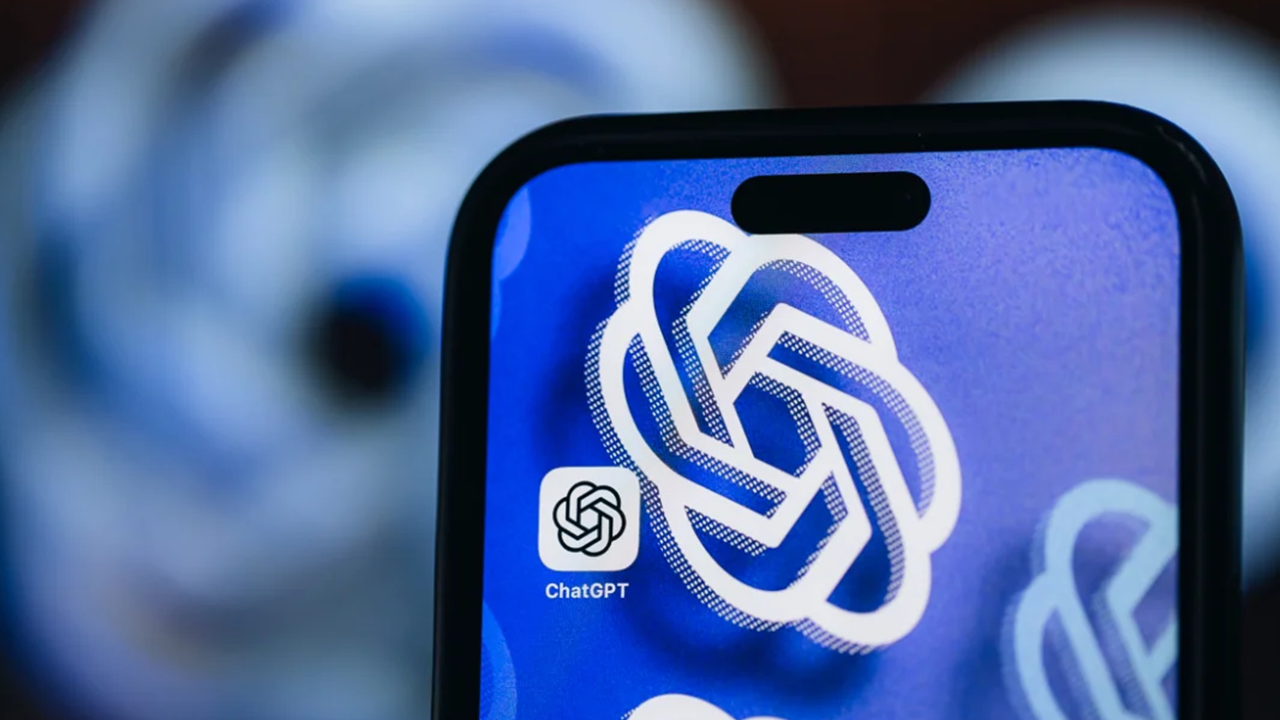
OpenAI launched its advertising business in early 2025, and less than 200 days later, ChatGPT ads crossed a $1 billion annualized revenue run rate. Tens of thousands of advertisers now use the platform. A self-service Ads Manager is rolling out across India, Europe, the Middle East, and North Africa, bringing the total to 40+ countries.
If you're an app developer, ecommerce brand, or performance marketer, this matters. ChatGPT has over a billion weekly active users, and that's a massive audience pool that didn't exist as an ad inventory source before. Let's break down how ChatGPT ads work, what makes them different from traditional search or social ads, and whether you should consider adding OpenAI advertising to your mix.
What Are ChatGPT Ads and Why Should Advertisers Care
ChatGPT ads are sponsored placements that appear within ChatGPT's conversational interface, and OpenAI built this as an AI advertising platform from scratch rather than porting an existing ad network. The ads show up in relevant conversations, and they're always clearly labeled as sponsored content.
The core appeal is simple. You're reaching people at the moment they're asking questions. Someone types "best project management app for small teams" into ChatGPT, and your ad for a PM tool can appear alongside the response. That's intent-driven advertising in a new environment, and it's the reason advertisers are moving budget into this channel.
One critical point: ads don't influence ChatGPT's answers. The model generates its response independently, ads are displayed separately, and OpenAI has been firm about this separation because it matters for user trust.
How ChatGPT Ads Manager Works
The ChatGPT Ads Manager is OpenAI's self-serve platform for creating and managing campaigns. It launched initially in the United States and is now expanding to 40+ countries, including India, the European market, the Middle East, and North Africa.
Here's what the platform offers advertisers:
- CPC and outcome-optimized bidding account for the majority of campaigns. You pay per click or tie spend to specific conversion events rather than raw impressions.
- Pixel and Conversions API for measurement. You can track conversions after someone clicks your ad and lands on your site. This is similar to how Meta's pixel works.
- Product feeds let ecommerce advertisers sync their catalogs. ChatGPT can then surface relevant products from your feed in ad placements.
- Platform and geographic targeting so you can reach users on specific devices or in specific regions.
- Custom audiences for retargeting or lookalike-style audience building.
The Ads Manager interface follows familiar patterns if you've used Google Ads or Meta Ads Manager. Campaign structure, ad groups, creative upload, and reporting are all there. The learning curve is short if you already know paid advertising, and the reporting dashboard gives you the same metrics you'd expect: impressions, clicks, CTR, conversions, and ROAS.
Over 50 technology and measurement partners have integrated with the platform. That list includes attribution providers, CDPs, and ecommerce platforms, so you can connect ChatGPT ads to your existing marketing stack without rebuilding workflows or migrating data to new tools.
The $1 Billion Revenue Milestone in Context
Crossing $1 billion in annualized revenue run rate in under 200 days is fast when you consider that Meta's ad business took years to reach that mark and Google's ad business was already mature when it crossed similar thresholds.
But the number needs context. OpenAI isn't a startup figuring out how to make money. ChatGPT monetization runs on multiple tracks: consumer subscriptions (ChatGPT Plus, Pro, and Team plans), enterprise contracts, API access, and now advertising. Ads are the newest revenue stream, and they're growing faster than the others did at launch.
OpenAI has set a target of surpassing $2.3 billion in ad revenue in 2026. That's ambitious but not crazy given the current growth rate. The platform already has tens of thousands of advertisers, and the self-serve expansion to 40+ countries will broaden the advertiser base significantly.
One data point from a technology partner: over 80% of ad-driven ChatGPT traffic consists of new customers for the advertiser. That's a strong number. It suggests ChatGPT ads aren't just cannibalizing existing acquisition channels or re-targeting the same users who'd find your brand through Google search anyway. They're reaching people who weren't finding these brands through Google or Meta.
Another case study worth noting: an ecommerce advertiser achieved 3x ROAS (return on ad spend) over a 28-day measurement window. That's the kind of number that gets performance marketers to pay attention.
ChatGPT Ads vs Traditional Search and Social Advertising
AI chatbot ads occupy a different position in the funnel than search or social ads. Here's how they compare:
- Search ads capture demand that's already there. Someone searches "buy running shoes" on Google and sees ads for shoe retailers. The intent is explicit, and the ad matches it. ChatGPT ads work similarly in that they capture question-based intent, but the conversation is more exploratory. Users aren't always in purchase mode. They're researching, comparing, learning. That difference matters for how you write ad copy and set expectations.
- Social ads on Meta or TikTok are interruptive by design: you're scrolling through content and an ad stops you, with targeting based on behavioral and interest signals. ChatGPT ads are contextual but conversational. They appear when the user's query relates to your product or service, which means the relevance signal is strong.
- The bidding model on ChatGPT leans toward CPC and outcome-optimized pricing. That's closer to search advertising than to social. You're paying for clicks or conversions, not impressions, which means the risk profile is lower for advertisers testing a new channel.
- One difference worth flagging: ChatGPT's user base skews toward people using AI for productivity, research, and creative tasks. If your target audience is professionals, developers, students, or knowledge workers, you'll find them here in high concentrations.
Getting Started With ChatGPT Advertising
If you want to test ChatGPT ads for your app or product, the setup is straightforward.
- First, you need an OpenAI Ads account. The self-service Ads Manager is available in 40+ countries, so you can sign up, set up your billing, and create your first campaign without waiting for a sales rep.
- Second, install the tracking. OpenAI provides a pixel for website tracking and a Conversions API for server-side measurement, so you can follow the user journey from ad click to conversion on your own domain. If you're running ecommerce campaigns, sync your product feed so ChatGPT can dynamically surface relevant products.
- Third, think about creative. ChatGPT ads appear in a conversational context, so your ad copy should match that tone, with direct, informative, and concise language working better than aggressive marketing pitches. Think about what the user is asking and how your product answers that question.
- Fourth, set your bidding strategy. Start with CPC if you want to control costs, or switch to outcome-optimized bidding once you have conversion data flowing. The platform's measurement partners can help you attribute conversions accurately.
- Finally, monitor and scale. The reporting dashboard shows impressions, clicks, CTR, conversions, and ROAS. Use the same testing framework you'd use on any new ad channel: start small, find what works, then scale the winners.

Limitations and What to Watch Out For
ChatGPT ads are new, and new ad platforms have growing pains. So is this the right time to test, or should you wait?
- The advertiser base is still building. Tens of thousands is a fraction of what Google or Meta have. That means less competition in the auction right now, which can mean lower CPCs. It can also mean less inventory in some verticals. If you're in a niche category, you might see limited impressions initially.
- The measurement stack is growing but not as mature as Google's or Meta's. The 50+ partners are a good start. But if your attribution setup relies on a specific tool that hasn't integrated yet, you'll need a workaround.
- Geographic coverage is expanding but not global. The launch across India, Europe, the Middle East, and North Africa covers a lot of ground, but Asia-Pacific and Latin America aren't fully covered yet. If your target market is in those regions, check availability before planning campaigns.
- Ad format options are still developing. The platform currently supports text-based and product-based ad units, while rich media, video, and interactive formats aren't part of the current offering. If your strategy depends on visual creative, you'll need to wait or stick with channels that support those formats.
- One thing that's working well: the new-customer acquisition rate. That 80%+ figure from technology partners is the strongest argument for testing the platform now, before competition increases and costs rise.
- On privacy: OpenAI doesn't share personal user data with advertisers. Targeting is based on conversation context and aggregate signals, not individual profiles. The ads don't influence ChatGPT's answers, and users can tell what's sponsored and what isn't. If data privacy is a concern for your brand, the separation between ad targeting and model outputs is a meaningful distinction.
The Bigger Picture for AI Advertising Platforms
OpenAI isn't the only company building AI chatbot ads. Microsoft has been testing ads in Copilot, Google is integrating ads into Gemini responses, and the category is forming fast.
What makes OpenAI's effort different is the scale. A billion weekly active users on ChatGPT is a real media surface, not an experiment. And the revenue numbers suggest advertisers are finding real value, not just testing.
The broader trend here is that conversational AI is becoming a media channel. People use ChatGPT to ask questions they used to type into Google, and they trust the responses because the model synthesizes information rather than just ranking links. Ads placed in that context benefit from the trust the user has in the platform.
For OpenAI, advertising diversifies revenue beyond subscriptions and API access. That's relevant if you're watching the company's path toward an IPO. A company with multiple growing revenue streams is a more attractive public listing.
Conclusion
ChatGPT ads went from zero to a $1 billion annualized revenue run rate in under 200 days. The self-serve Ads Manager is live in 40+ countries. Over 50 tech partners are integrated. Advertisers are seeing strong new-customer rates and solid ROAS numbers.
If you're running app installs or ecommerce campaigns, this is a channel worth testing now. The learning curve is short if you know search or social advertising. The costs are likely lower today than they'll be in a year. Grab the ChatGPT app to see how ads appear in the conversational interface, then set up your first campaign and start measuring.
 NEWS
NEWS REVIEWS
 HOWTO
HOWTO